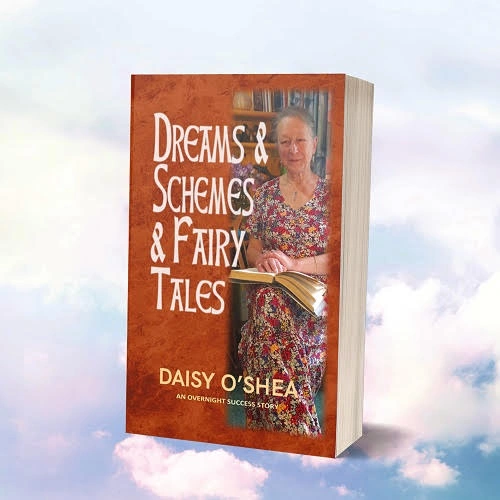
NOTES FROM A LIFE IN IRELAND
Born to Tell Stories...
Fiction has been a quiet space for me throughout my life. I love reading fiction, and always wanted to write it. It wasn't a quick win, however, and I definitely wasn't born with a flair for literature. I learned the hard way. Succeeding was more a challenge than a certainty and the road was paved with rejection. Being an unpublished author meant being one of a million others trying to get a foot in the door. It meant being classed as a wannabe author or a failure to the people I worked with. As an unpublished author I had no support group and had to be self-reliant and discover within myself the will and the belief to keep going while working full time in a job I had no interest in. I began my writing career in my late teens, was published in my early thirties, and finally achieved success in my early seventies. It was not too late to enjoy the kudos of finally having made the leap to mainstream published author! So this is a potted history of my writing interest over fifty years.
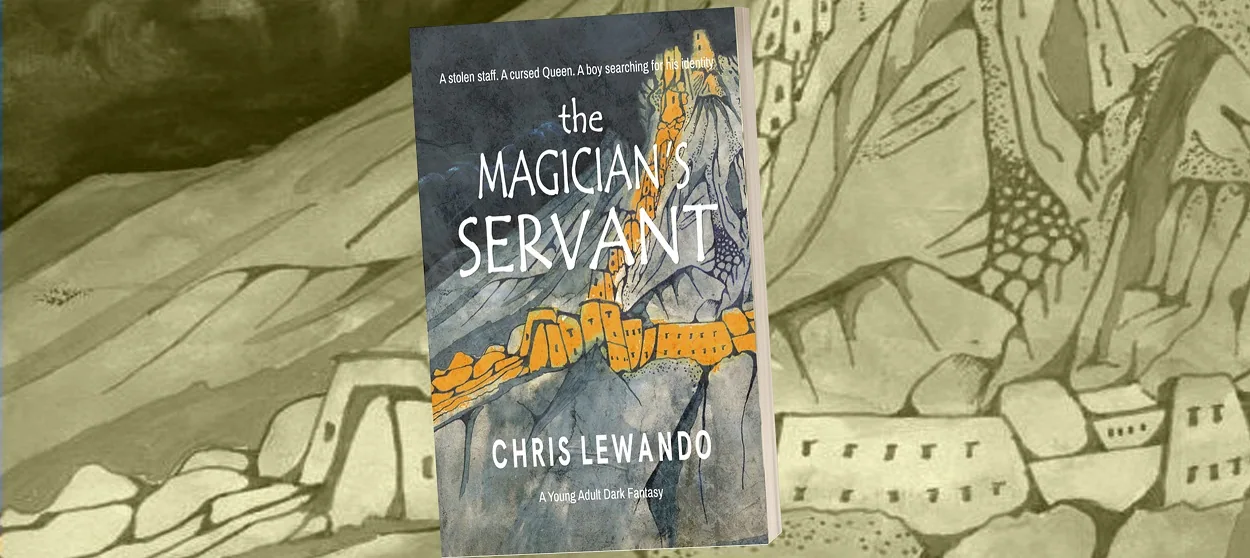
The Magician's Servant is one of the first stories I wrote. It's aimed at pre-teen children; a kind of fairy tale with a boy hero, a magic staff, a wicked queen and a quest. I sent it off hopefully to various editors, and remember two responses in particular. One publisher said 'Children don't want to read fantasy these days'. And not long after, Harry Potter stormed onto the market, proving that the editor was absolutely wrong. Another editor then said, 'We don't need any more Harry Potter lookalikes, thank you'. Well, that was impolite, unkind and unfair. I had written the book before Harry Potter was published, and it is nothing like Harry Potter, which suggests that the editor did not read the work at all before firing off her negative comments.
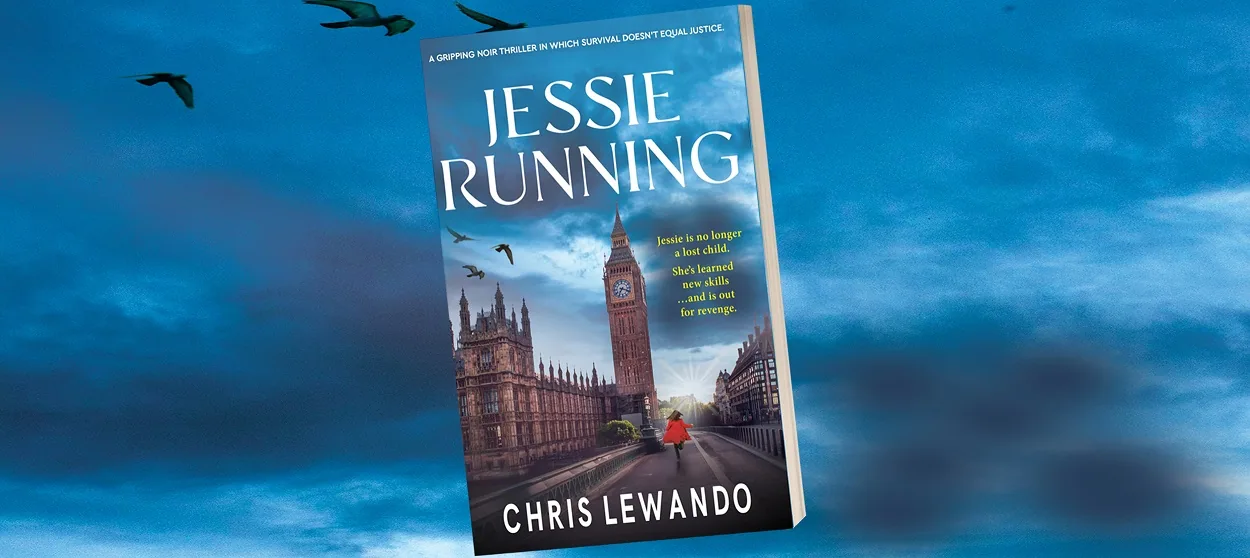
I wrote Jessie Running longhand on the arm of a chair while I was feeding my first baby. I later typed it out on an electric typewriter, and eventually typed it out again into a computer. It went through quite a few rewrites as I developed my writing skillset. There is no magic in this story, but a damaged heroine on a quest for a revenge. I always liked this story and felt it had potential on the mainstream market. But it was rejected time and time again. I have never had the skills to write a blurb that is as dynamic as the fiction itself.
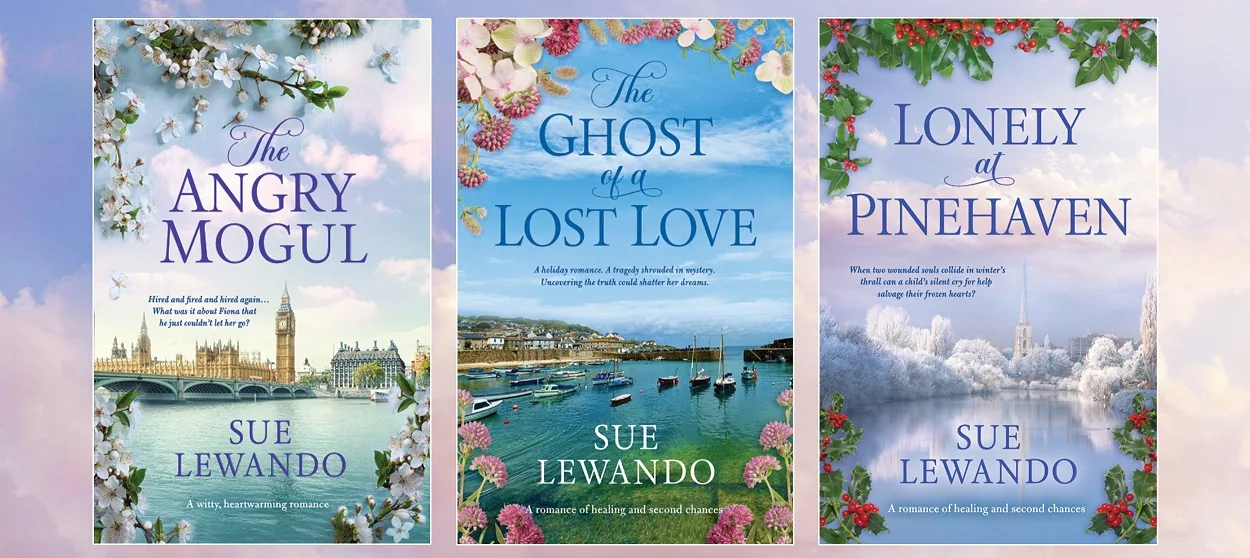
When I was around 40, I learned that the RNA (Romantic Novelists' Association) welcomed novice writers, and ran a scheme whereby new authors could have their work assessed. At this time I wrote several romances that were accepted by My Weekly, a small and somewhat uninspiring publication that paid the grand sum of £200 for a 35,000 word romance. It wasn't a life-changing moment. The rate of pay was so far below the minimum wage it was ludicrous. I couldn't leave full time work, which had been the idea. But I was finally published! I quite liked writing romances, with their happy-ever-after endings. This experience greatly enhanced my ability to later write the dual timeline Irish fiction for Bookouture. I later self-published a further six romances under my middle name (Sue) with some dreadful covers that I bodged together. I'm having new covers created by an exceptionally talented cover designer, Lynn Andreozzi (who can be contacted via Reedsy.com). I'll update these as she completes them. While I was with the RNA, Virgin's Black Lace imprinted was started, and the editor asked if any of us 'ladies' (many elderly!) would like to write erotica. I did this, and had two published under a different pseudonym, but this wasn't a genre I wanted to pursue.
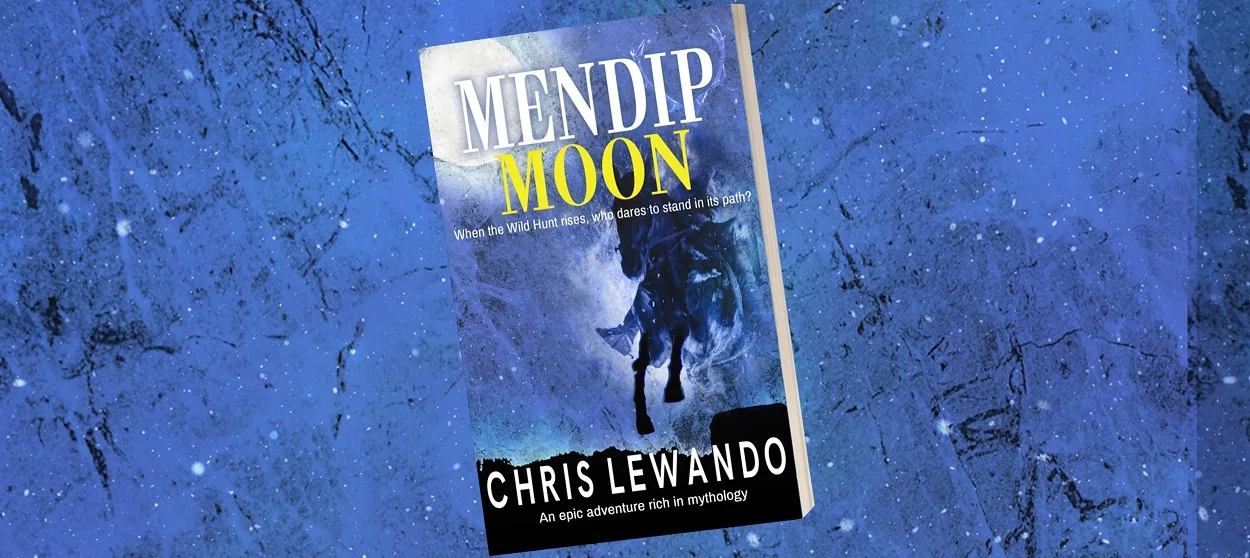
The first draft of Mendip Moon was also completed when I was at home with my first child. The backdrop of this Young Adult novel is provided by my real experience of living near the Mendip hills, and seeing the magic of the rugged landscape. I used that ancient history to take the young hero back through time and battle with some legendary heroes and mythical beings.
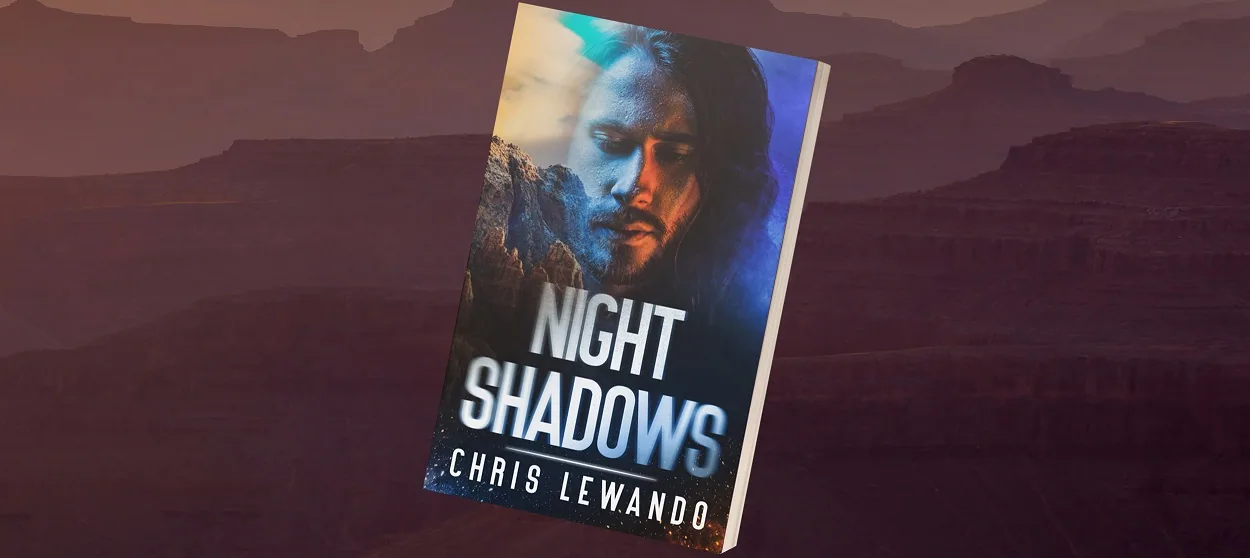
I was keen on science fiction as a young reader, and enjoyed all the great writers of the time: Arthur C Clark, Philip K Dick, Robert Heinlein, Isaac Assimov, etc. I thought I'd try my hand at something out of this world, and Night Shadows was the result; part science fiction, part international thriller. I have had some great reviews with this work. One of my first reviewers was a retired Army Intelligence officer from America who came to Ireland to study Irish History. He pointed out a few research errors which was useful, but said the book was as good as any other thriller he'd ever read. What a compliment! But it didn't help me sell the work.
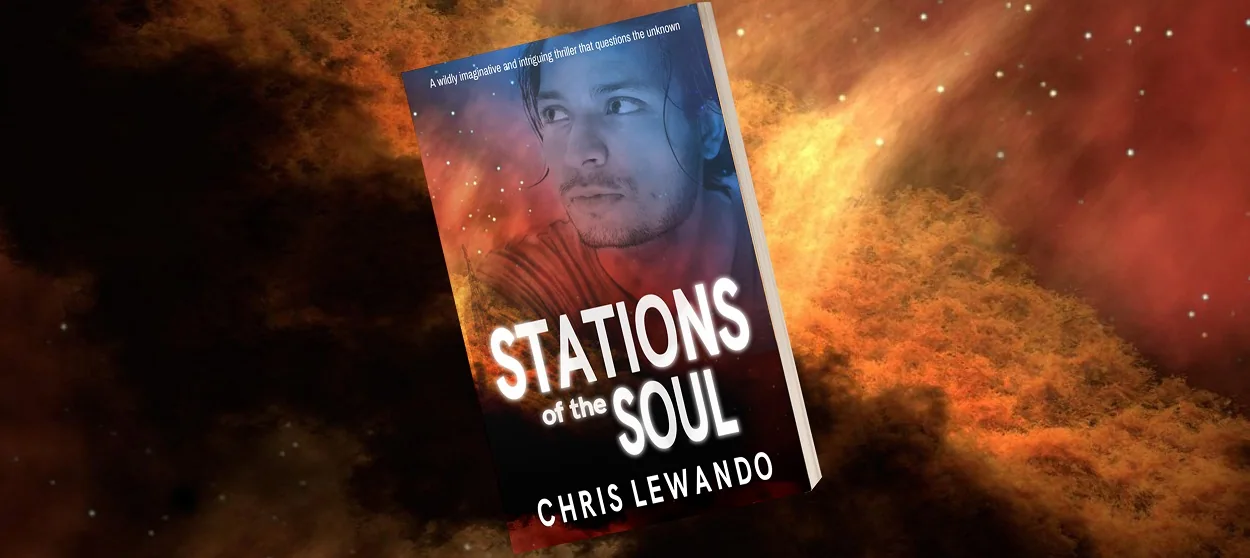
Stations of the Soul followed close behind, and is part horror, part thriller, in the same ballpark as Stephen King, though I don't have the hubris to compare my work with his.
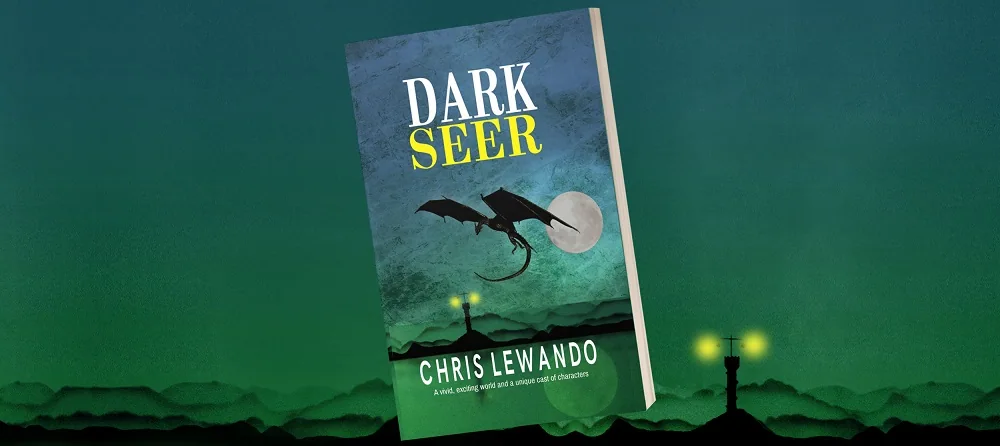
Darkseer was my attempt at something purely fantasy. It is a world-slip novel that boots a young man into another world where he becomes the target for two almost-omnipotent Dark Seers. This novel lent my imagination wings, but an agent told me, somewhat snippily, that I didn't know what I wanted to write. As agents are seeking authors with a clearly defined genre, she was right within her own parameters. But I was trying out various genres simply because I could. I don't think an author should be put in a genre box, but unfortunately, book marketing is all about 'more of the same', which creates a better income stream for publishers. The superb artwork is derived from a photograph of a mural that my talented brother spray-painted onto a wall in his house.
It was only after retirement that I was able to fully invest in my writing. I wanted to write a series with a strong female lead, and Suffer the Little Children was the result. An ordinary woman is flung into a world where predators roam. During the series she gradually matures, and will eventually become the archetypal heroine and vigilante, but four books into the series, she hasn't quite made it there...
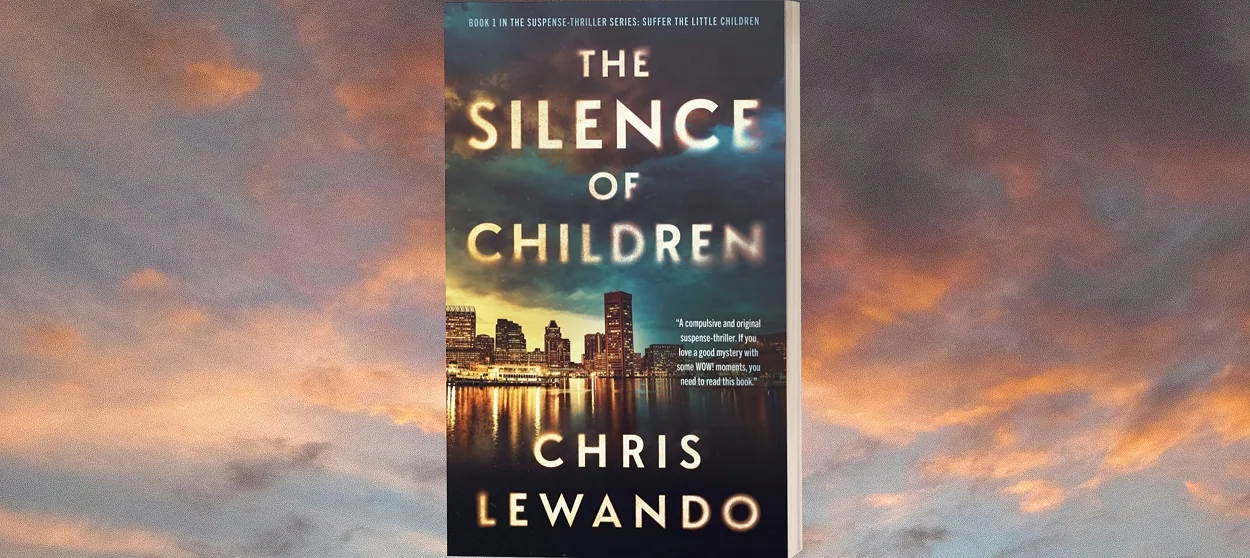
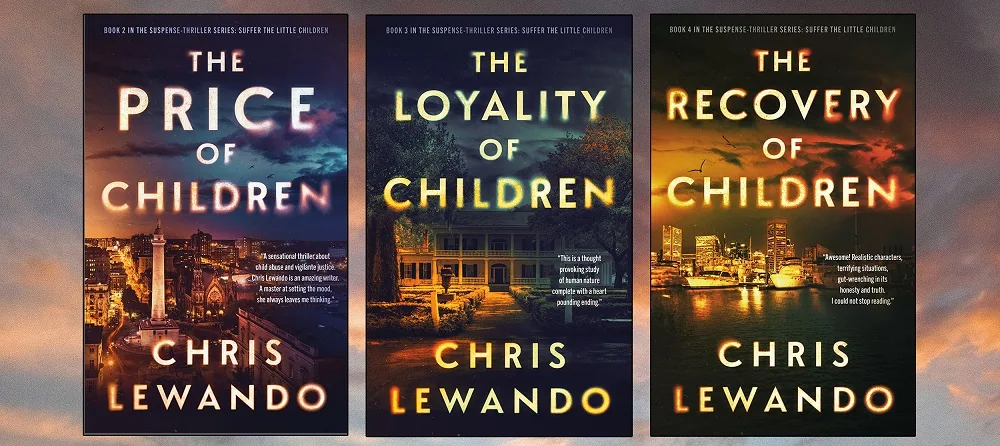
This was followed by three more in the series. Each can be read standalone, and they don't end on cliffhangers (which really annoys me as a reader) but they are best read in order as there is some crossover with characters and their histories.
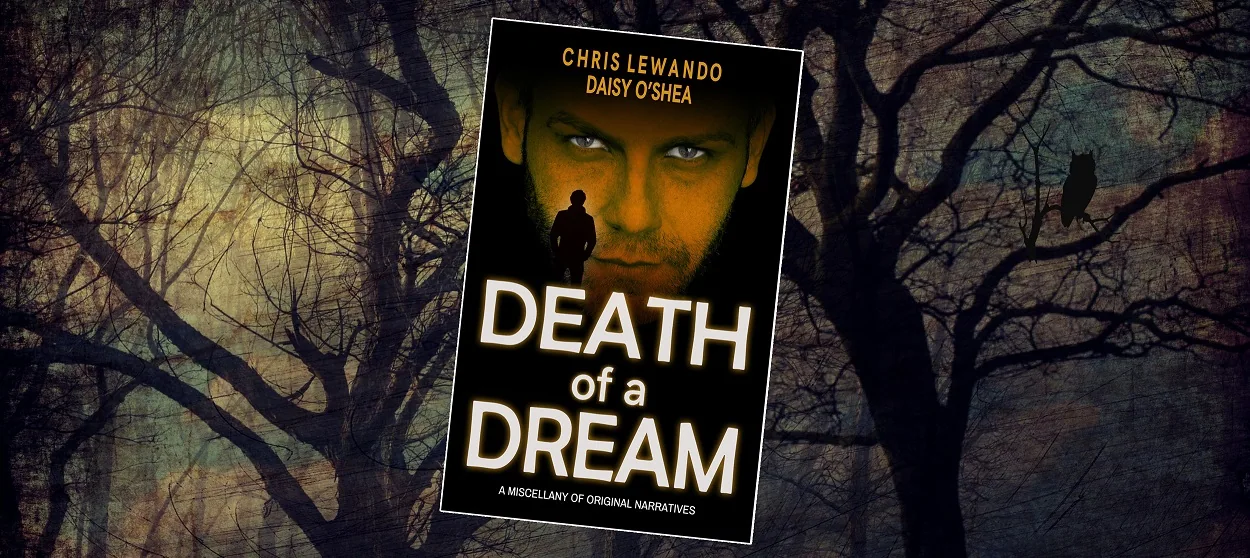
After moving to Ireland, between the joys and trials of renovating a derelict house, I embarked upon a Masters in Creative Writing at University College, Cork (UCC). The compilation, Death of a Dream, which includes short stories, memoir, poems, etc, is largely the result of this new stimulation to my writing muscles. It's available free from the download page on this website.
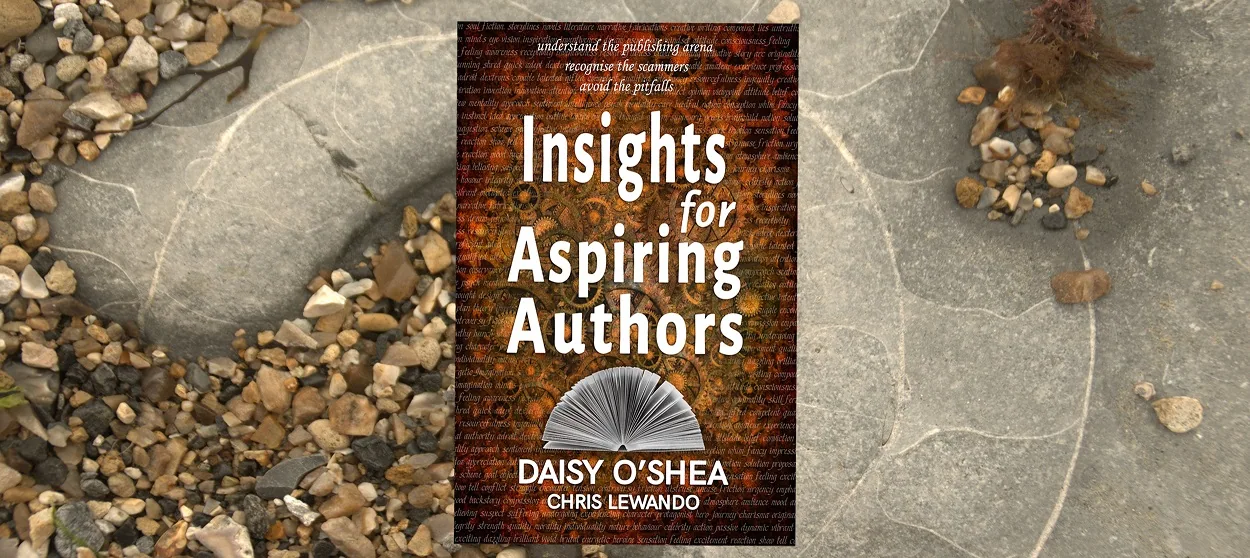
Between writing the 'Children' series and doing the Masters, I began to note down my experiences of writing; not a tutorial, but an overview of the whole writing caboodle. Things have changed so much since I embarked upon my first novel (before the internet was even born), that I wanted to create an overview of the situation as it was and as it is. This would have been invaluable to me when I started to self-publish. The market is now flooded with self-help books on the world of publishing, but I still feel this would be of benefit to fledgeling authors.
While at University, I wrote a piece about a woman listening to the seals, and wondered quite why she was there. After leaving university, I worked this small piece into a full length novel. Set in West Cork, where I live, I was able to capture the atmospheric surroundings in Legend of the Selkie. It caught the attention of a Bookouture editor. Although she didn't want that particular book, she asked if I would like to write one that suited her imprint... And the Emerald Isle series is the result.
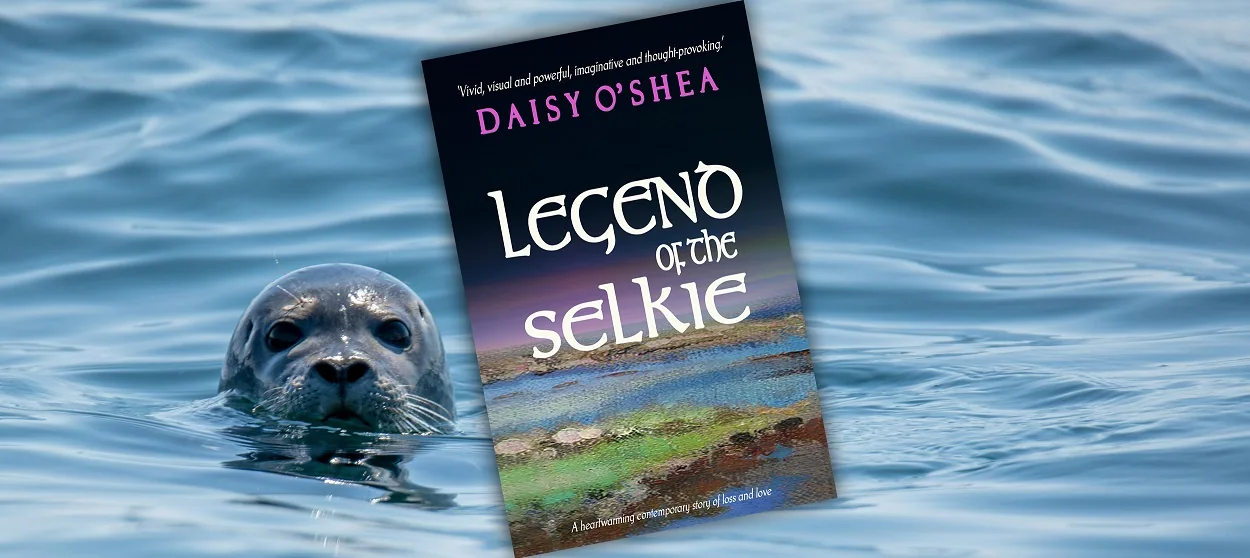
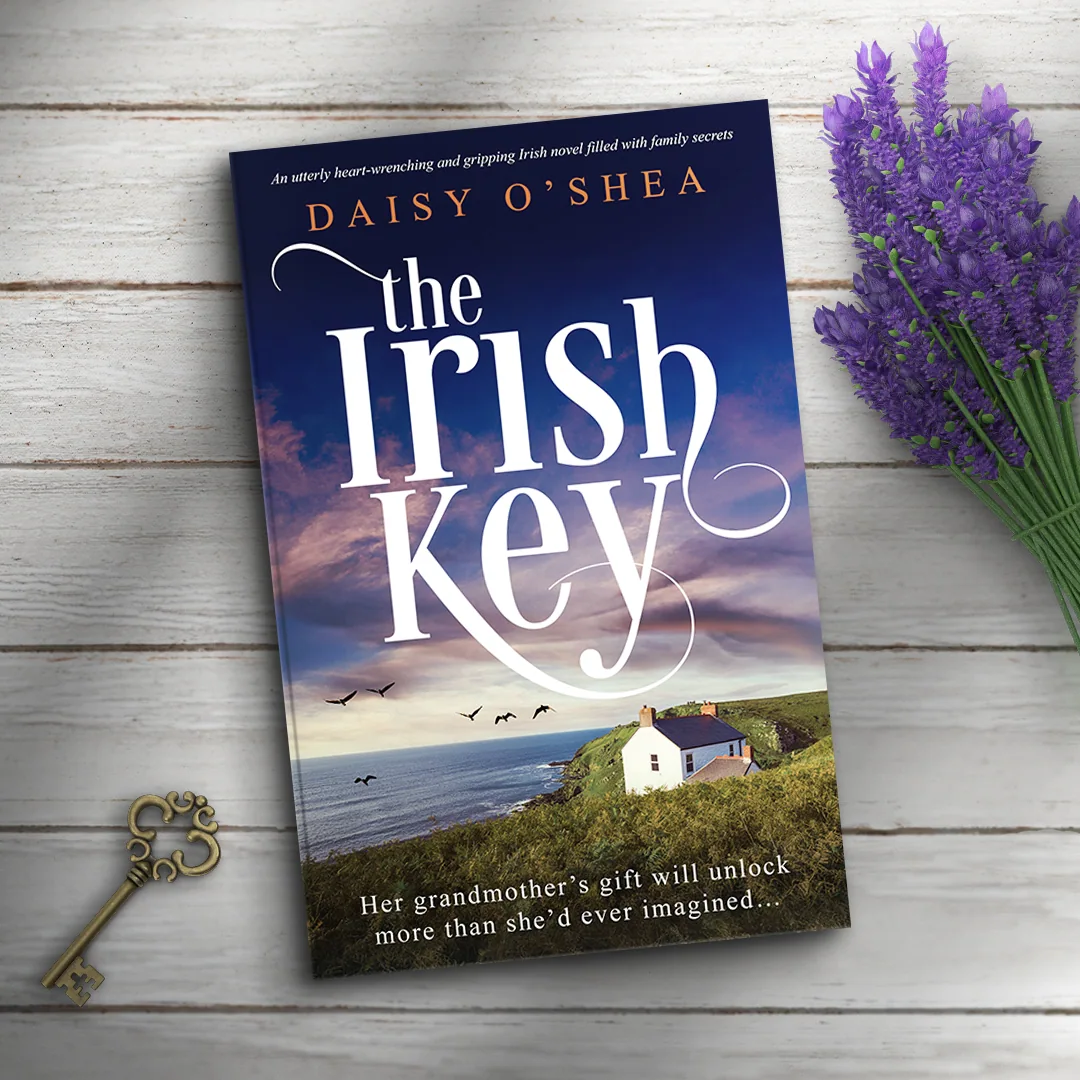
And this is where Daisy O'Shea really comes in. The Suffer the Little Children series and the Emerald Isle series are such different genres, I decided to take a pen name for the latter, to avoid upsetting people who enjoyed one genre and expected 'more of the same'. I later changed the author name on Legend of the Selkie from Chris lewando to Daisy O'Shea for the same reason.
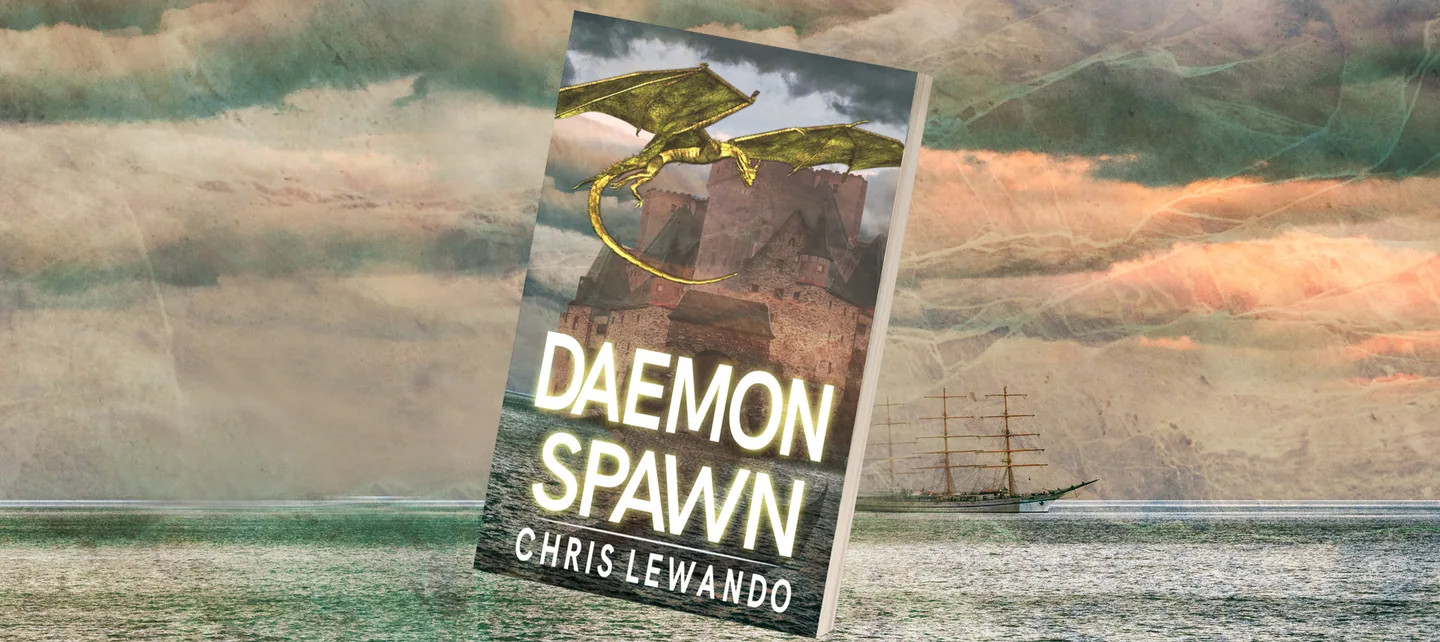
Oh, I missed one book that I wrote early on in my writing life, and edited once I was retired. DaemonSpawn isn't a timeslip or worldslip, but pure fantasy set in an invented world. A romping good story with warring kings, danger and romance...
A final word (almost!). Many people who post reviews comment on the immersive quality of my writing. Readers are pulled into the characters' lives and almost live their adventures with them. I don't think I could have a better accolade as an author of commercial fiction. There is more information about the individual books in the author tabs, and also links to Amazon should you be interested. And don't forget to go to the Download tab and collect your free compilation, Death of a Dream.
Thank you for being interested.
I am in the process of writing a memoir, but as yet haven't pressed the publication button. My life hasn't been plain sailing, and there was an incident a few years ago that prompted me to write it. But, sadly, the person I truly wrote it for will never read it.